
AI Supplier Alert Routing Agent

Automating Supplier Alert Routing with AI
Exception Detection That Cuts Through the Noise
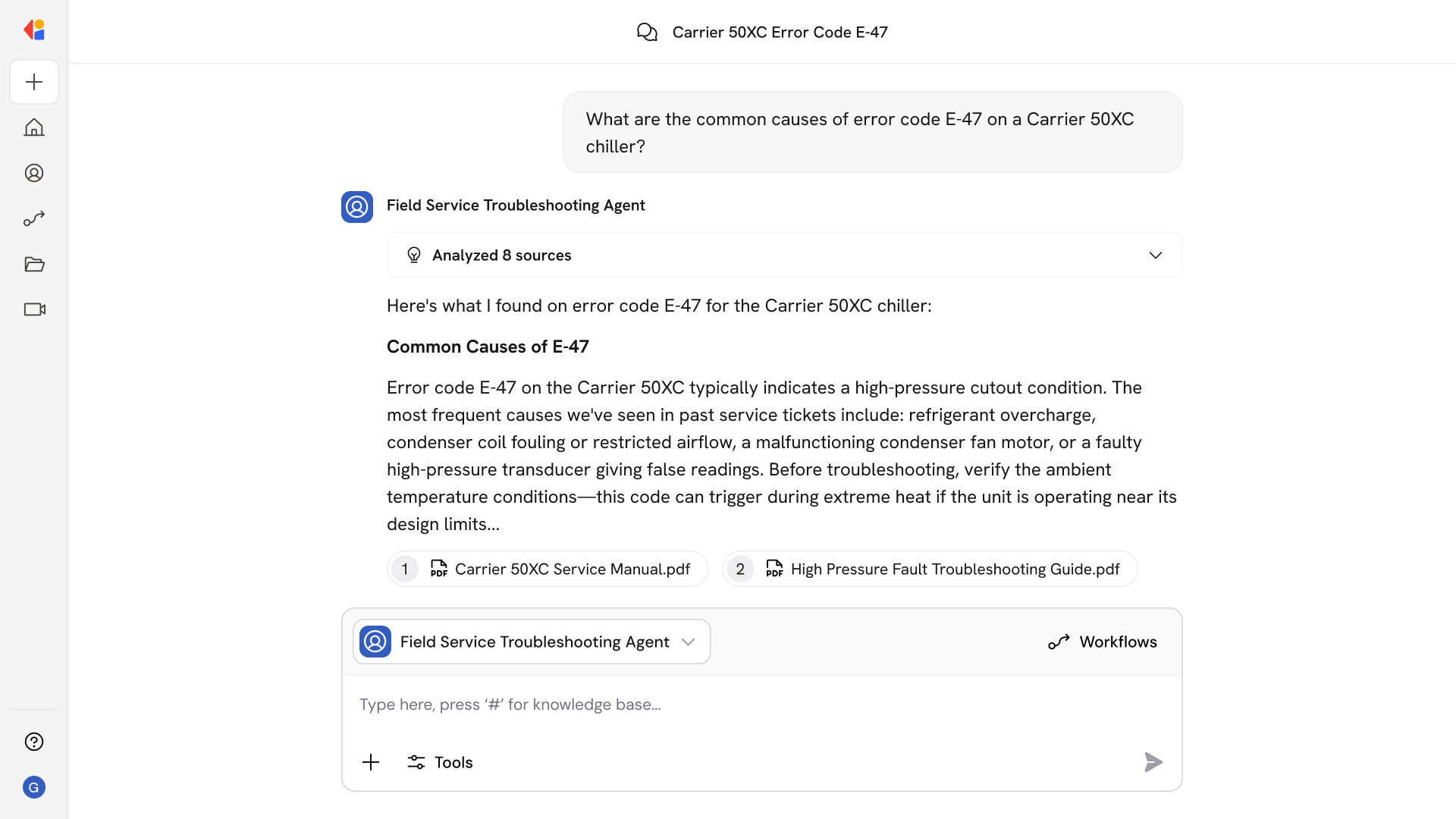
The agent monitors ERP, EDI, and supplier collaboration signals in real time, using intelligent thresholds to surface genuine exceptions—PO mismatches, ASN delays, quality holds—while filtering out false positives that cause alert fatigue.
SLA-Governed Routing to the Right Stakeholders
Automated workflows route each exception to the appropriate buyer, planner, or SQE based on severity, category, and plant—with built-in escalation paths that trigger when acknowledge or resolve windows are breached.
SCAR-Ready Quality Workflows When It Matters
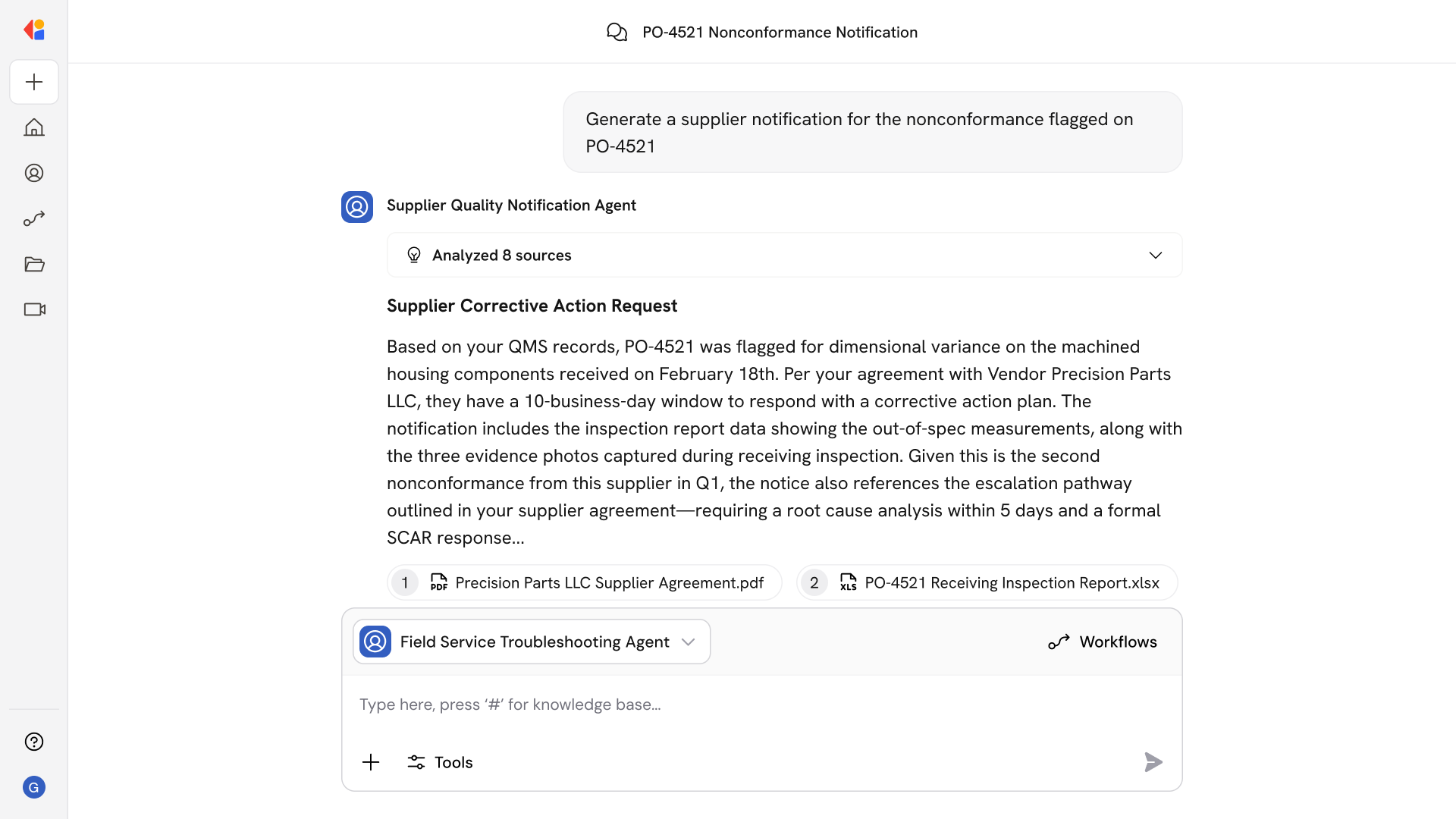
When patterns of defects or critical nonconformances emerge, the system auto-generates SCAR packages pre-populated with lot data, defect codes, and 8D templates—ready for supplier response and trackable through closure.
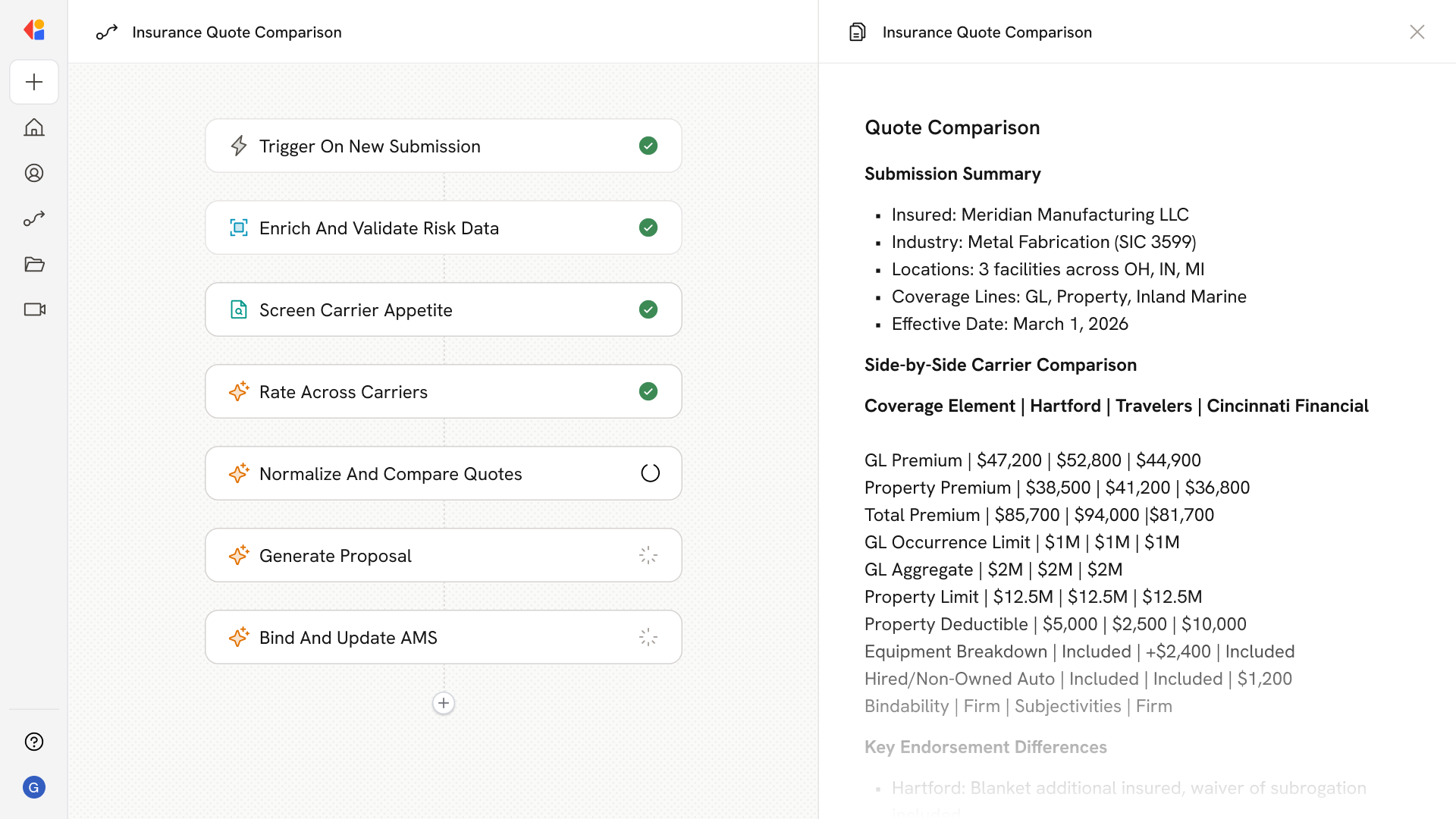
How Cassidy automates exception management using AI
Step 1: Ingest supply signals
The Workflow triggers on incoming data from your ERP, MRP, EDI transactions (855/856/846), QMS, or logistics systems—normalizing supplier IDs, item masters, and calendars into a unified event stream.
Step 2: Detect and prioritize exceptions
Cassidy analyzes each signal against your alert rules and thresholds, identifying PO acknowledgment gaps, promise-date pushouts, ASN delays, inventory breaches, and quality holds—then assigns severity based on revenue-at-risk and line-stoppage impact.
Step 3: Create case with SLA governance
For each exception, Cassidy creates a trackable case with full context—PO line, pegged demand, supplier contact, and ETA—and starts SLA clocks for acknowledgment and resolution based on your escalation matrix.
Step 4: Route to internal and external stakeholders
Alerts flow to the right channels: Slack or Teams messages to buyers and planners, supplier portal notifications or Slack Connect for external parties, and email fallback—all with action buttons to acknowledge, propose new dates, or trigger escalation.
Step 5: Capture responses and update systems
Supplier commits and internal decisions are logged to the case timeline. Approved changes—like updated promise dates within tolerance—write back to your ERP automatically, keeping plans in sync without manual rework.
Step 6: Escalate on SLA breach
When acknowledge or resolve windows expire, Cassidy notifies escalation recipients, posts to exec war rooms, and opens incidents in your ITSM or QMS—aggregating related breaches for rapid triage.
Step 7: Spin up SCAR workflows
For quality exceptions or repeat defects, Cassidy auto-generates a SCAR shell with lot/batch data, defect codes, containment status, and 8D templates—routing to SQE and suppliers with tracked response windows and effectiveness checks.
Step 8: Close and learn
Cases close with structured outcomes that update ERP and QMS records. Exception patterns feed back into alert thresholds, supplier scorecards, and planning parameters—driving continuous improvement across your supply network.
Implement it inside your company
- Hands-on onboarding and support
- Self-paced training for your team
- Dedicated implementation experts
- Ongoing use case discovery
- ROI tracking & analytics dashboards
- Proven playbooks to get started fast